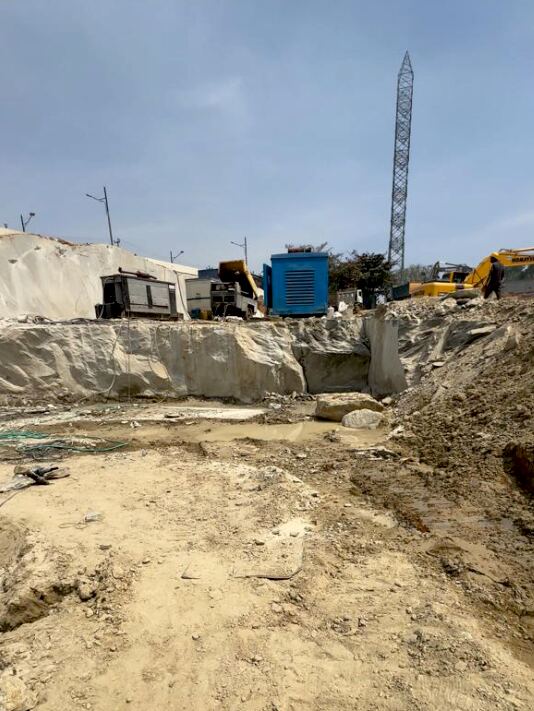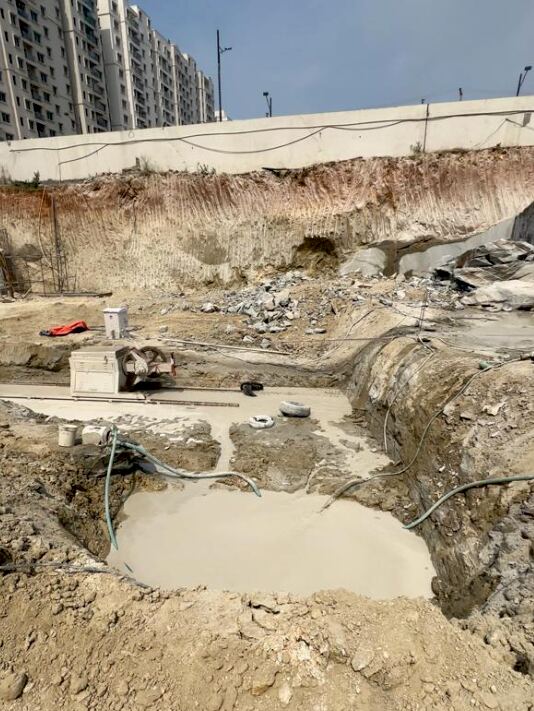
Soil nailing and shotcreting show up together so often on retaining and slope-stabilization jobs that many site teams treat them as a single technique. They're not. They solve different structural problems, and understanding the difference helps you brief a contractor accurately — and sanity-check the scope you're being quoted.
What Soil Nailing Actually Does
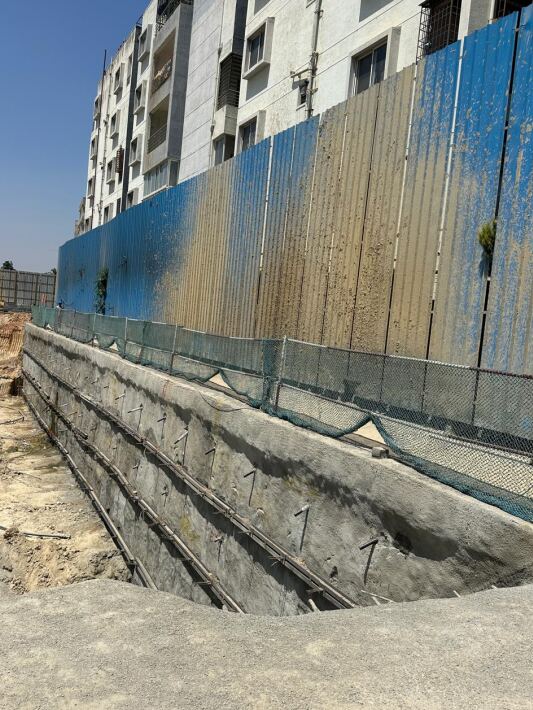
Soil nailing reinforces the ground itself. Steel bars ("nails") are drilled and grouted into the slope or excavation face at a regular pattern and angle, transferring load from the potentially unstable soil mass into the more stable ground behind it. It's a reinforcement system — the nails do the structural work of holding the slope together from the inside.
What Shotcreting Actually Does
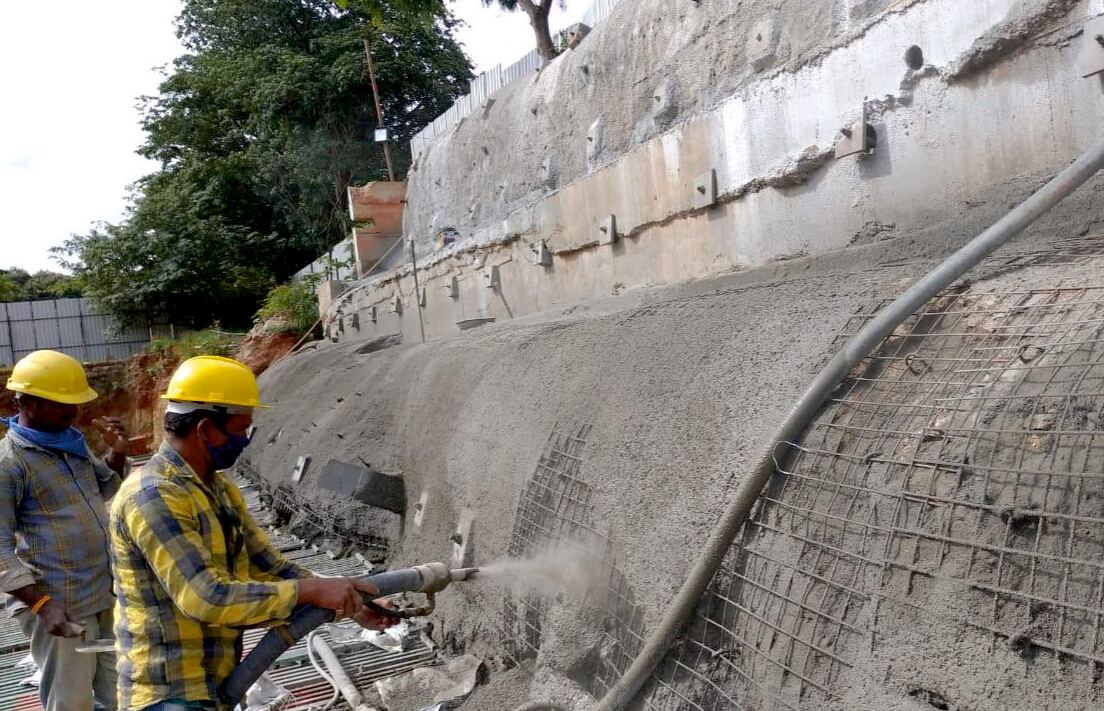
Shotcrete is sprayed concrete, applied at high velocity to a slope or wall face. On its own, it's a surface protection and facing system — it prevents erosion, surface ravelling and weathering, and it can carry some load if reinforced with mesh, but it isn't designed to hold back a genuinely unstable slope by itself.
Why They're Usually Used Together
On most retaining and slope-stabilization jobs, soil nailing provides the structural reinforcement and shotcrete provides the finished, weather-resistant face that ties the nail heads together and protects the exposed soil in between. Used together, you get both internal reinforcement and external protection — which is why they're so often specified as a single line item, even though they're doing two different jobs.
When You Might Need Only One
- Shotcrete alone can be sufficient where the slope is already stable and the concern is mainly surface erosion or weathering — for example, a cut slope in competent rock with minimal risk of mass movement.
- Soil nailing alone (with a lighter facing, such as wire mesh) may be used in lower-visibility temporary works where a full shotcrete face isn't justified.
- Both together are typically required for permanent retaining structures, deep basement excavation faces, and slopes adjacent to structures or public access, where both stability and long-term surface durability matter.
What Decides the Design
A geotechnical assessment should drive the decision — not a rule of thumb. Key inputs include the slope angle and height, soil type and cohesion, groundwater presence, exposure duration (temporary vs permanent), and what's nearby (structures, roads, drainage). A contractor should be able to explain the nail length, spacing and grout specification they're proposing, and why — not just quote a blanket rate per square metre.
A Practical Checklist
- Has the slope been assessed by a geotechnical engineer, or is the method being proposed generically?
- Are nail lengths and spacing specified for your soil conditions, or copied from a standard drawing?
- Is drainage behind the shotcrete face addressed — trapped water pressure is a common cause of failure?
- Will the work be sequenced in stages appropriate to slope stability during construction?
Getting this right protects more than the slope — on urban sites, it protects everything built near it.